A Beginner’s Guide to At-Home Interior Painting with Benjamin Moore
A fresh coat of paint can change the way a room feels without the cost or stress of a full renovation. It's one of the most approachable home improvement projects and offers results you can see right away. Even if you’ve never picked up a paintbrush, you can get a clean, polished look with the right tools, a little patience and quality materials. Choosing premium paint, like Benjamin Moore, simplifies the process and improves the results. Before opening a can, it’s important to understand what sets a lasting paint job apart from one that falls short.
Start with Proper Wall Prep
Prep work often makes the difference between an amateur finish and a room that looks like it was painted by a pro. Begin by cleaning the walls. A sponge with mild soap or degreaser removes dust, fingerprints and residue that can interfere with paint adhesion. Any holes or surface damage should be filled with spackle, then sanded smooth once dry. Skipping this step can lead to visible imperfections no matter how good your paint is.
Don’t forget to protect your space. Move furniture to the center of the room and cover it with plastic. Use canvas drop cloths instead of plastic sheets for the floors. They’re less slippery and absorb drips better. Tape the edges of baseboards, trim and window frames with painter’s tape. Press it down with a putty knife so the paint doesn’t bleed underneath. These steps take time, but they’ll save you hours in touch-ups later.
Choose Paint That Performs
Paint isn’t just about colour. It affects how the room looks and how long it stays that way. Lower-cost paints often require extra coats, don’t hold up to cleaning and are harder to apply. Benjamin Moore paint is known for its smooth application, lasting colour and strong coverage. For homeowners tackling their own projects, those qualities make a noticeable difference.
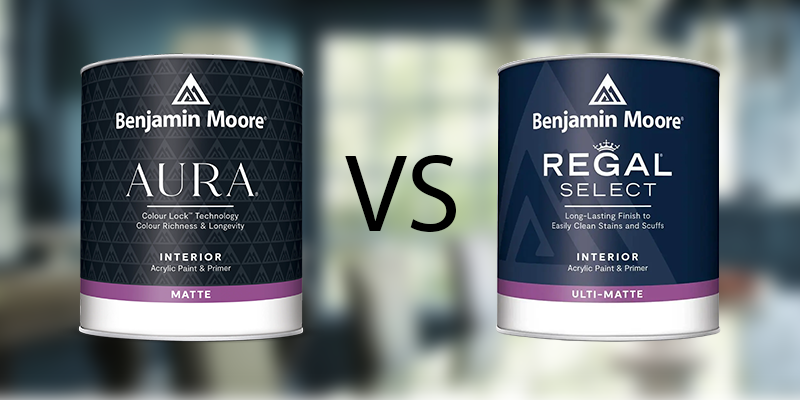
Products like Regal Select and Aura are designed for consistent coverage and colour depth. They spread evenly, resist fading and are easy to touch up later. Whether you’re covering a dark wall with a lighter shade or going bold, high-quality paint takes the guesswork out of the job.
If you're unsure what shade fits your space best, consider booking a colour consultation with our design team.
Pick the Right Finish for the Space
The finish you choose plays a role in both appearance and performance. Flat and matte finishes hide surface flaws but they can be harder to clean. Eggshell offers a slight sheen and holds up better to daily wear, which makes it a solid choice for living areas and hallways. Satin finishes are good in rooms where moisture is common, like kitchens. Semi-gloss works well for trim and doors where durability matters most.
Using a premium product like Benjamin Moore gives you more control over how the finish looks once dry. It also makes it easier to keep the walls clean over time, especially in high-traffic areas.
Estimate How Much Paint You’ll Need
Running out of paint halfway through the job is frustrating, but it's easy to avoid. Measure the height and width of each wall to calculate square footage. Subtract doors and windows from that total. Most paints cover about 350 to 400 square feet per gallon. If your walls are textured or you’re making a dramatic colour change plan for extra. A second coat is often needed to get full coverage and even colour even with a high-end product.
Having a little left over is better than falling short. It gives you material for touch-ups down the road and reduces the risk of colour variation if you need to paint again later.
Need help calculating coverage? Our team can assist when you visit our showroom.
Apply Paint with the Right Tools and Technique
Start by cutting in. This means using a high-quality angled brush to paint a narrow strip around ceilings, corners and baseboards. Once the edges are painted, use a roller to fill in the main wall area. Load the roller evenly and apply the paint in a controlled “W” or “M” pattern. Then go back and smooth the section with light vertical strokes. The goal is to keep a wet edge so the finish looks uniform.
If you're starting from scratch, take a look at our paint sundries to make sure you have the right tools for the job.
Clean Up and Finish Strong
Good cleanup helps preserve your tools and prevents problems later. Wash brushes and rollers right after use with warm water and mild soap. Reshape brushes and hang them to dry. Take off the painter’s tape while the paint is still slightly tacky. This keeps the edges sharp and prevents peeling.
Once everything is dry, return furniture to its place and step back to see the difference a thoughtful paint job makes. Light reacts differently; the space feels refreshed and the room reflects more of your personal style.
Need Help Choosing the Right Benjamin Moore Paint?
If you’re unsure about which product or shade to choose, visit
Crowfoot Paint and Design. Our team can help you select the right Benjamin Moore paint and guide you through your project from start to finish. Whether you're refreshing a single wall or painting the entire house, the right advice and products make the work more rewarding.