What to Know Before Painting High-Traffic Areas: Choosing the Right Paint Supply
If you’ve got a hallway, staircase, entryway, or family room that sees a lot of action, you already know how quickly those spaces show wear. Scuffs, marks, and fingerprints build up fast. A fresh coat of paint can go a long way, but only if you use the right paint supply and take the time to prep properly. These aren’t areas where you want to rush through the job.
Painting is one of the simplest ways to update your home. It’s affordable, quick, and gives you an immediate change without the hassle of a big remodel. If you're like most people, you probably start with the high-traffic areas because they affect how your entire home feels.

How Your Walls Really Get Worn Down
When you think of high traffic, you probably imagine people walking through the space. But the real wear on your walls comes from other things. Hands brush past. Furniture bumps into corners. Pets rub along the baseboards. You clean the walls more often too. Over time, all of that breaks down the paint faster than you might expect.
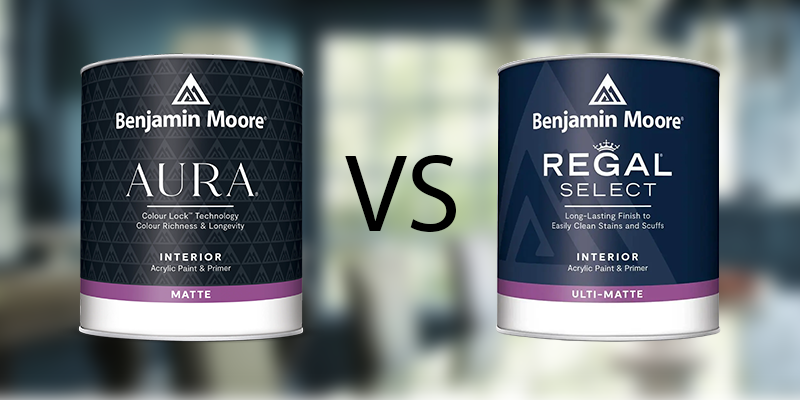
You may notice shiny spots where you’ve scrubbed or scuffs that won’t come off anymore. Lower-end paint tends to give out quicker under this kind of use. Higher-quality options, like interior paints from Benjamin Moore, are designed to hold up better against frequent contact and repeated cleaning.
Focus on Finish Before Color
Choosing a paint color is the fun part. It’s what people usually get excited about. But in busy areas, the finish matters just as much. Flat and matte paints are great at hiding surface flaws, but they’re not easy to clean. If you try to wipe them down, they often leave shiny patches behind.
If you're painting an area that sees a lot of use, an eggshell or satin finish is usually a smarter choice. These are easier to clean and better at holding up under regular contact. Semi-gloss works well for doors and trim, but it can draw attention to wall imperfections if used in large areas.
Don’t Skip the Prep
It’s tempting to jump right into painting, especially when you're short on time. But skipping the prep step is one of the biggest mistakes you can make in high-traffic areas. These walls collect more than dust. They build up oils from hands, marks from shoes, and sometimes residue from cleaning products.
Before you even open the paint can, make sure the walls are clean. Use a degreasing solution. Patch holes and dents. Sand down any rough areas. Taking the time to prep gives the paint a solid surface to stick to and helps it last longer.
Why Your Paint Supply Choices Matter
Not all paint is created equal. If you want something that lasts, especially in the busiest parts of your home, you need a paint supply that’s built for durability. Look for interior paints that resist scuffs and can handle frequent cleaning without losing their finish.
Your tools matter too. A high-quality roller or brush helps you get even coverage and a smoother finish. Primer is another key step. It helps the paint stick better and creates a more consistent look. Spending a bit more on the right paint supply and tools can save you a lot of frustration later.
Choose Colors That Work for You
Color choice still matters. You just want to think about how it will look after the space gets used. Dark paint colors tend to show dust and fingerprints. Very light ones highlight scuffs and dirt.
Mid-tone neutrals are often the easiest to live with in busy spaces. They hide everyday wear better and still make the room feel open and clean. You might also consider softer shades or tones with slight variation, which can help mask minor imperfections.
Plan for Touch-Ups Because You'll Need Them
Even the best paint needs a little maintenance over time. If you’re painting a high-traffic space, go in with the expectation that you’ll need to do a touch-up now and then. Keep a small amount of leftover paint in a sealed container and label it clearly.
Some paints blend better than others when it comes to touch-ups. If you’ve ever painted over a spot and ended up with a mismatched patch, you know how frustrating that can be. Test a small area first to see how it dries and blends in with the rest of the wall.
Pay Attention to Lighting
Paint looks different depending on the lighting in your space. Hallways and staircases often have uneven light or heavy shadows, which can exaggerate roller marks or uneven finishes. Bright overhead lighting can also reveal flaws you didn’t notice during the day.
Try out a few paint samples on the actual wall and look at them in both natural and artificial light. It’s a small step, but it helps you avoid surprises once the job is done.
Think About How Often You Clean
If you’re someone who cleans your walls often, your paint has to hold up. Scrub-resistant finishes are a smart choice in this case. They won’t wear down after a few cleanings, and they keep their look longer.
It also helps to be gentle with the cleaning products you use. Harsh cleaners can break down low-quality paint quickly. Choosing a paint supply that’s designed for high-traffic use means you won’t have to worry as much about keeping your walls looking fresh.
Make Smart Paint Choices That Last
Painting high-traffic areas doesn’t have to be complicated, but it does require a little extra thought. If you take time to choose the right paint supply, pick the right finish, and prep the walls correctly, your results will last a lot longer. If you’re not sure what to use or where to start, reach out to Crowfoot Paint and Design. We’ll help you find a paint supply that fits your home and stands up to everyday life.